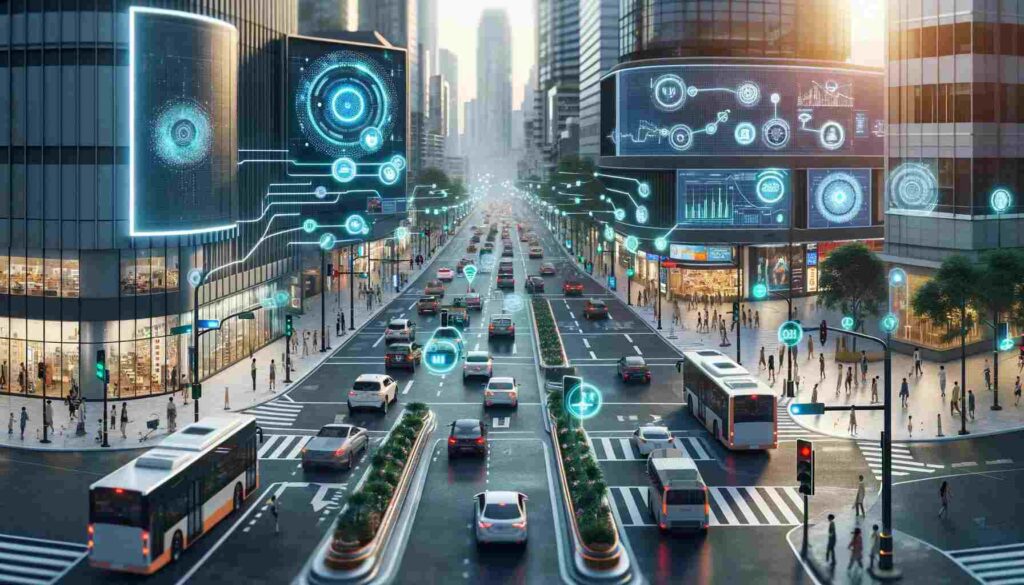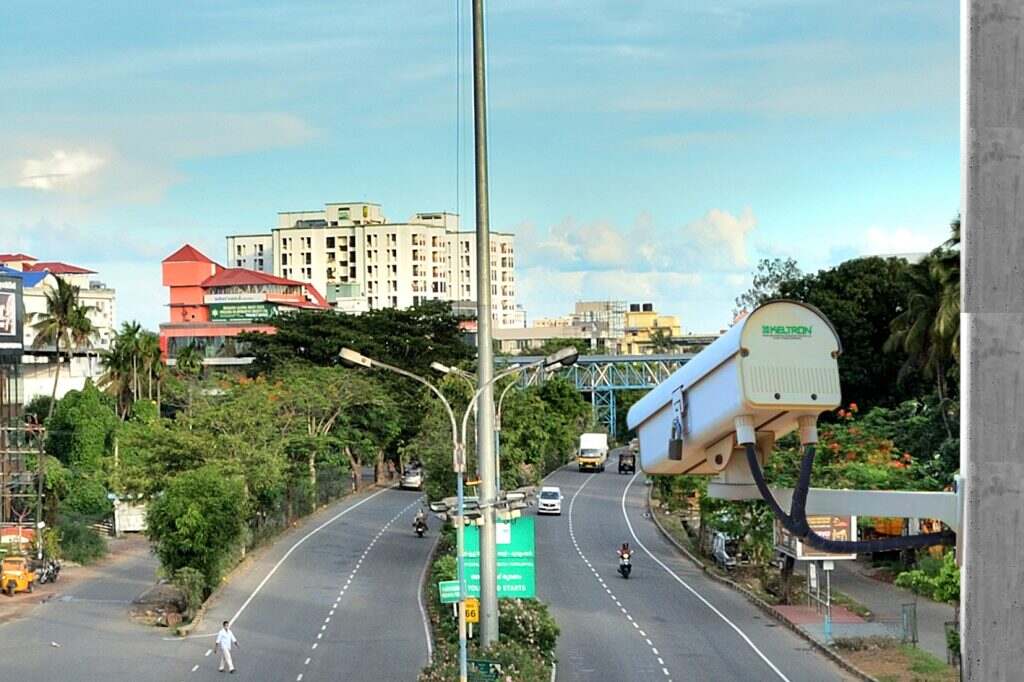
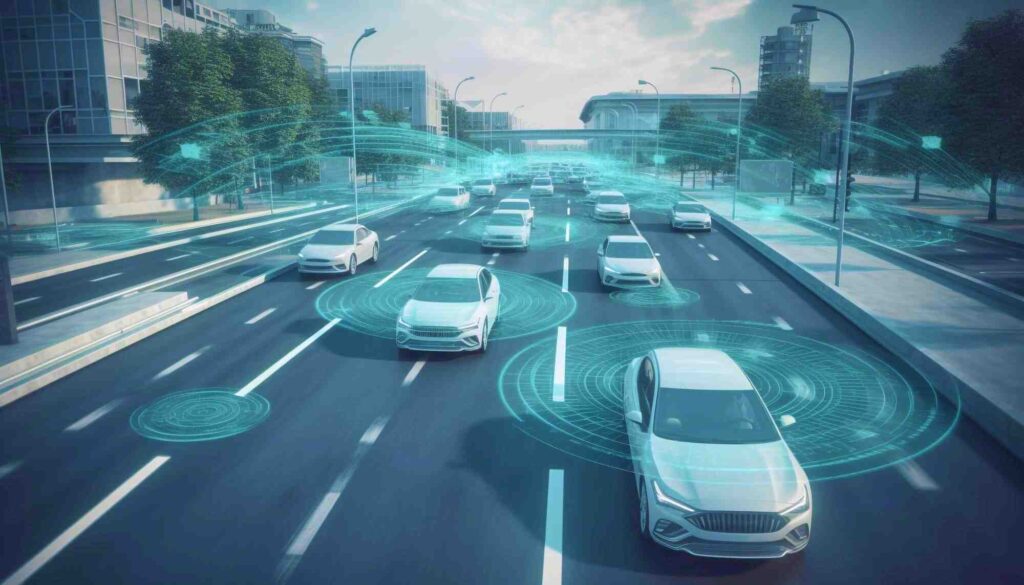
Road accidents happen every day, and they cause a lot of harm. In the US alone, thousands of people lose their lives each year in crashes. But things are getting better, thanks to new tech. One big player in this change is artificial intelligence, or AI. The role of AI in reducing road accidents is growing fast. It helps spot dangers before they turn into problems, makes cars smarter, and even manages traffic to keep things smooth.
In this post, I’ll explain how AI works to make roads safer. We’ll look at the main causes of accidents and how AI tackles them. You’ll learn about AI in self-driving cars, traffic control, and tools that predict risks. I’ll also talk about some challenges and what the future might hold. By the end, you’ll have a clear idea of how AI can help prevent crashes and save lives. This isn’t just theory it’s based on real uses and data from recent years.
Let’s start by looking at the current picture of road accidents to see why we need solutions like AI.
The Current State of Road Accidents
Road accidents are a major issue around the world. They lead to deaths, injuries, and high costs for everyone involved. To understand the role of AI in reducing road accidents, we first need to know the facts.
In the first half of 2025, the US saw about 17,140 deaths from vehicle crashes. That’s down 8.2% from the same time in 2024. This drop is good news, but the numbers are still too high. For the whole year, estimates suggest around 39,000 to 43,000 people might die in car accidents. Speeding and drunk driving account for about 60% of these deaths. Seat belts help a lot, with over 90% of people using them, but not everyone does.
Globally, the story is similar. Some countries have high rates, like almost 67 deaths per 100,000 people in places with heavy traffic and poor rules. Common causes include human error, bad weather, poor roads, and distractions like phones. Human mistakes cause over 90% of crashes, which is where AI can step in.
Recent data shows a trend: deaths fell 13% in the first half of 2025 compared to earlier years, even as people drove more miles. This suggests safety measures are working, and AI is part of that. For example, better tech in cars and roads is helping lower these numbers.
But why do accidents happen? Let’s break it down:
Main Causes of Road Accidents
- Human Error: This includes speeding, not paying attention, or driving tired. AI can watch for these signs and alert drivers.
- Road Conditions: Potholes, slippery surfaces, or poor signs lead to crashes. AI helps check roads in real time.
- Traffic Congestion: Busy roads increase risks. Smart systems can ease flow.
- Weather and Visibility: Rain or fog make driving hard. AI sensors see through bad conditions better than people.
Understanding these helps see how AI fits in. Now, let’s talk about what AI is and how it applies to road safety.
What is AI and Its Application in Road Safety
AI is tech that lets machines learn from data and make choices, much like people do but faster and without getting tired. In road safety, AI uses data from cameras, sensors, and past crashes to spot patterns and act.
The role of AI in reducing road accidents comes from its ability to handle big amounts of info quickly. For instance, machine learning, a type of AI, looks at old accident data to guess where new ones might happen. This shifts from reacting after a crash to preventing it.
AI works in cars, traffic lights, and even apps that warn drivers. It’s not perfect, but it’s making a difference. Studies show AI can cut crashes by predicting risks and adjusting in real time.
To make this clearer, think of AI as a helpful co-pilot. It sees things you might miss and acts fast.
AI in Autonomous Vehicles

Self-driving cars, or autonomous vehicles, rely on AI to navigate roads safely. These cars use sensors like cameras, radar, and lidar to “see” the world around them. AI processes this data to make decisions, like stopping for a pedestrian or changing lanes.
The role of AI in reducing road accidents through autonomous vehicles is huge. Higher levels of automation remove the human driver from risky situations. For example, AI can react in milliseconds to avoid a crash, faster than any person.
Companies like Tesla and Waymo use AI for features like automatic braking and lane keeping. These systems have shown to lower accident rates. In tests, AI simulates real-world conditions to ensure safety before cars hit the road.
But it’s not all smooth. Challenges include handling rare events, like sudden animal crossings. AI learns from data, so more data means better performance.
Key Safety Features in AI-Powered Autonomous Cars
- Object Detection: AI spots cars, people, and obstacles.
- Path Planning: It figures out the safest route.
- Emergency Response: If a crash is about to happen, AI takes control.
These features make autonomous vehicles a big step in accident prevention.
AI for Traffic Management
Traffic jams not only waste time but also raise accident risks. AI helps manage traffic to keep things moving and safe. Systems use cameras and sensors to watch roads and adjust signals.
For example, AI can change traffic lights based on current flow, giving more green time to busy directions. This reduces stops and starts, which often lead to rear-end crashes.
In cities, AI detects incidents like accidents without waiting for calls. It alerts authorities fast, cutting response time. Tools like these have lowered congestion and accidents in places using them.
AI also syncs signals for pedestrians, giving them a head start to cross safely.
Benefits of AI in Traffic Control
- Real-Time Adjustments: AI looks at data now to make changes.
- Incident Detection: Spots problems early.
- Flow Optimization: Keeps traffic even to avoid buildup.
This approach makes roads safer for everyone.
Predictive Analytics with AI for Accident Prevention
Predictive analytics is where AI shines in road safety. It uses past data to forecast where and when accidents might occur. By looking at patterns, AI identifies high-risk spots.
For instance, AI analyzes weather, time of day, and traffic volume to predict risks. Cities can then add signs or patrols there.
One system uses real-time data to find dangerous locations before crashes happen. This proactive way has cut accidents in test areas.
AI also predicts crash severity, helping plan better roads and rules.
How Predictive AI Works
- Data Collection: From sensors, reports, and weather.
- Pattern Recognition: Finds common factors in past crashes.
- Risk Scoring: Gives scores to areas or times.
This method turns data into actions that save lives.
AI in Driver Assistance and Monitoring Systems
Many cars today have AI features that help drivers stay safe. These are called Advanced Driver Assistance Systems (ADAS). They include things like lane departure warnings and adaptive cruise control.
AI watches the road and the driver. It can spot if you’re drowsy by looking at eye movements or steering patterns. Then, it alerts you to take a break.
In crashes, AI helps with faster response. It analyzes reports to send the right help quickly.
These systems reduce human error, a top cause of accidents.
Common AI Assistance Features
- Automatic Braking: Stops the car if a crash is near.
- Blind Spot Monitoring: Warns about unseen vehicles.
- Driver Fatigue Detection: Keeps you alert.
Adding these to cars is making driving safer step by step.
Real-World Examples of AI in Action
AI isn’t just an idea—it’s in use now. In New York City, AI and big data spot high-risk areas and adjust signals, cutting accidents.
Another example is AI in work zones. It predicts issues and warns drivers.
Globally, organizations like the ITU are using AI to improve crash data and response.
These cases show AI’s real impact on road safety.
Challenges and Limitations of AI in Road Safety
While AI helps a lot, it’s not without issues. One big challenge is data privacy. AI needs lots of info, but we must protect people’s details.
AI can have biases if trained on bad data, leading to unfair outcomes.
Costs are high for small areas, and tech can fail in bad weather or rare cases.
Security is key too—hackers could target AI systems in cars.
Addressing these will make AI even better for safety.
Ethical Considerations
- Bias in AI: Ensure fair training data.
- Job Impacts: AI might change roles for traffic workers.
- Reliability: Test thoroughly for all conditions.
We need rules to handle these.
The Future of AI in Reducing Road Accidents
Looking ahead, AI will play an even bigger role. Better predictive tools will spot risks more accurately.
Full self-driving cars could cut human error almost completely.
AI will also help with maintenance, fixing roads before they cause problems.
As tech improves, we could see fewer accidents worldwide.
Conclusion
The role of AI in reducing road accidents is clear—it’s making roads safer through smart cars, better traffic control, and risk prediction. While challenges exist, the benefits are real and growing. By using AI, we can lower deaths and injuries, making travel better for all.
The main takeaway: AI isn’t replacing humans but helping us drive safer. As we adopt more AI, expect even bigger drops in accidents.
For more on this, check out our post on AI in transportation systems. You can also read about machine learning in safety tech.
FAQ
How does AI prevent car crashes?
AI uses sensors and data to spot dangers and act fast, like braking automatically or warning drivers.
What is the role of machine learning in accident prevention?
Machine learning looks at past data to predict risks and suggest ways to avoid them.
Can AI make traffic lights smarter?
Yes, AI adjusts lights based on real-time traffic to reduce stops and crashes.
Are self-driving cars safer with AI?
Self-driving cars with AI can react quicker than humans, lowering accident risks from error.
What challenges does AI face in road safety?
Challenges include data privacy, high costs, and ensuring AI works in all conditions.
How does predictive analytics help in road safety?
It forecasts accident spots using data, allowing early fixes.
Will AI reduce road deaths in the future?
Yes, with better tech, AI could cut deaths by preventing more crashes.