Traffic can be a big problem in cities. Cars pile up, accidents happen, and time gets wasted. Traffic police have a tough job keeping things safe and smooth. But now, AI steps in to make their work easier.
In this post, I’ll explain how AI helps traffic police manage roads efficiently. We’ll cover the basics, key methods, benefits, challenges, real examples, and what comes next. By the end, you’ll see why this tech matters for safer streets.
What Is AI in Traffic Management?
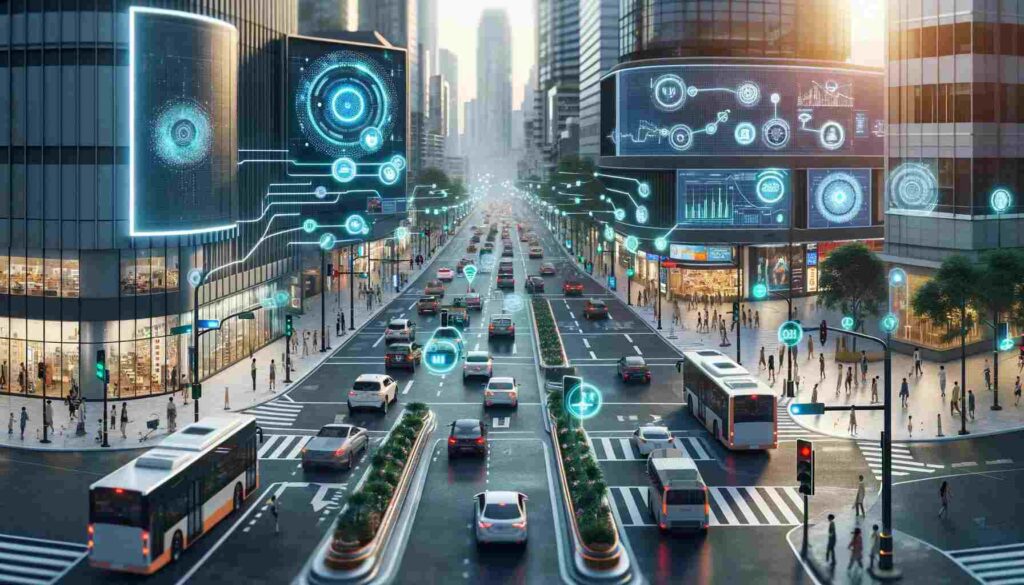
AI stands for artificial intelligence. It means computers that learn and make choices like people do. In traffic, AI uses data from cameras, sensors, and other tools to help police.
Traffic police use AI to watch roads in real time. It spots problems fast, like speeding or crashes. This way, officers can act quickly without being everywhere at once.
Types of AI Tools for Police
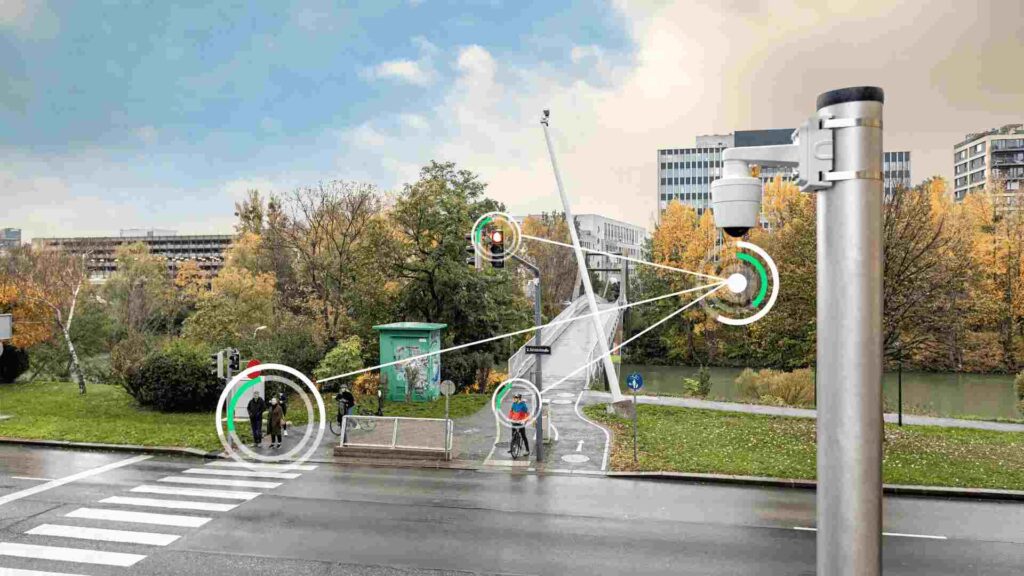
One common tool is computer vision. It lets cameras “see” vehicles and people. For example, it counts cars at intersections to adjust lights.
Another is machine learning. This teaches systems from past data. Over time, it predicts busy times or risky spots. Police then plan patrols better.
Predictive analytics looks at patterns. It forecasts jams based on weather or events. Officers get alerts on their devices to head off issues.These tools connect to apps and dashboards. Police see maps with live updates. It turns guesswork into smart actions.
Why Police Need AI Now
Roads get busier each year. More cars mean more work for officers. AI handles routine tasks, so police focus on serious matters.It also cuts errors. Humans miss things in bad weather, but AI works around the clock. This reliability saves lives and time.Cities with growing populations benefit most. AI scales up without needing more staff. It’s a practical fix for modern problems.
Key Ways AI Helps Traffic Police
AI changes how police handle daily tasks. It provides tools for better control and faster responses. Let’s look at main areas.
Real-Time Monitoring and Detection
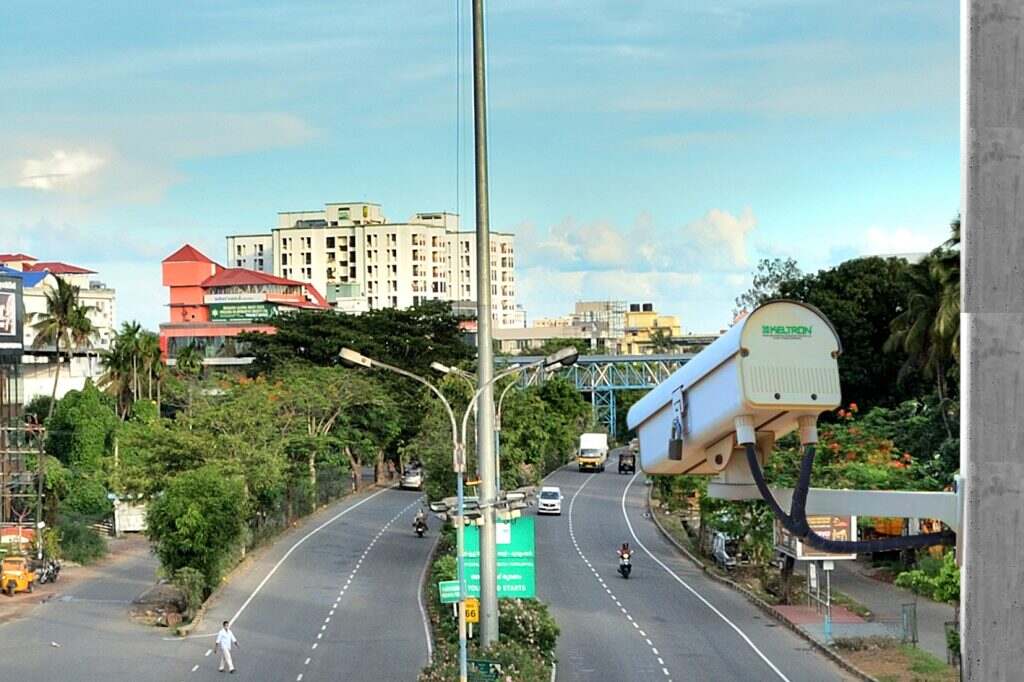
Cameras with AI watch roads non-stop. They spot violations like red-light running or wrong-way driving. Alerts go straight to police.For instance, automatic license plate recognition reads plates quickly. It checks for stolen cars or unpaid fines. Officers pull over suspects safely.Incident detection is key. AI sees crashes or breakdowns from video feeds. It notifies teams in seconds, speeding up help.This monitoring covers big areas. One system can handle multiple intersections. Police save fuel and effort by responding only when needed.
Predictive Analytics for Traffic Flow
AI looks at data to guess future issues. It uses history, like rush hour patterns, to warn about crowds.Traffic signals adjust on their own. If one road gets busy, lights change to ease flow. Studies show this cuts delays by up to 30%.Police use this for planning. Before a big event, AI suggests routes or closures. It keeps traffic moving without big backups.In bad weather, AI predicts slippery spots. Officers set up signs or slow zones early. This prevents many accidents.
Enforcement and Safety Measures
AI helps with speed checks. Smart radars track vehicles accurately, even in crowds. Fines get issued based on solid proof.Helmet and seat belt detection uses cameras to spot non-compliance. It promotes safer habits without stopping every car. For pedestrians, AI syncs signals to give them more time. This reduces jaywalking risks in busy areas.Overall, these methods make enforcement fair and consistent. Drivers know they’re watched, so they follow rules more.
Resource Allocation for Officers
AI maps out hot spots for issues. Police send teams where they’re needed most, not spread thin. Dashboards show live stats. Officers see which areas have high violation rates. They adjust shifts accordingly. This saves money for departments. Less overtime, better use of vehicles. It’s efficient for tight budgets. In emergencies, AI prioritizes calls. A crash gets faster response than a minor stop. Lives get saved this way.
Benefits of AI for Road Safety and Congestion
AI brings clear wins for everyone on the road. It makes streets safer and less crowded. Here’s how.
First, safety improves a lot. AI spots risks before they turn bad. For example, it detects drowsy drivers or erratic moves. Fewer crashes mean fewer injuries.Congestion drops too. Smart systems keep traffic flowing. Cities report 25% less jam time with AI signals. Drivers spend less time stuck.Emissions go down with smoother rides. Cars idle less, so air gets cleaner. This helps the environment in urban spots. Police work smarter. AI handles data crunching, freeing officers for community tasks. Morale goes up with less routine work.
Communities feel safer. Quick responses build trust. People report issues knowing help comes fast.
- Reduced accidents by detecting violations in real time.
- Lower delays through adaptive traffic controls.
- Better air quality from efficient flows.
- Cost savings for cities on infrastructure.
- Enhanced public trust in law enforcement.
These benefits add up. Roads become places people want to use, not dread.
In terms of numbers, one report says AI cuts road deaths by focusing on high-risk zones. It’s a game-changer for public health.Drivers save fuel and time. Businesses get goods faster. The whole economy feels the positive effect.
Challenges in Using AI for Traffic Police
No tech is perfect. AI has hurdles that need fixing. Let’s talk about main ones.
Privacy and Data Concerns
Cameras collect lots of info. People worry about who sees it. Hackers could steal data, leading to misuse.Solutions include strict rules. Data should be encrypted and stored short-term. Only police access it for valid reasons.Public talks help. Cities explain how AI protects privacy. Opt-out options for non-essential tracking build trust.
Bias and Fairness Issues
AI learns from old data. If that data has biases, like targeting certain groups, problems arise.To fix this, use diverse training sets. Regular checks spot unfair patterns. Adjust models as needed.Ethics boards review systems. They ensure fair use across all areas. Transparency reports show how AI decides.
Technical and Cost Barriers
Setup costs money. Small towns might struggle with buying cameras and software.Start small. Pilot programs test AI in one area. Scale up with proven results. Grants from governments help fund it.Tech needs updates. Systems must work with old equipment. Training staff is key to avoid errors. Integration takes time. Work with experts to link AI to existing networks. Patience pays off.
Ethical Use in Policing
AI might over-rely on tech. Officers need to keep human judgment for complex cases.Guidelines set limits. AI advises, but people decide. Regular audits check for overreach. Community input shapes policies. Feedback loops improve systems over time. Addressing these challenges makes AI reliable. It’s about balance for best results.
Real-World Examples of AI in Action
Many places use AI successfully. These stories show what works. In Idaho, the transportation department uses AI for signals. Delays dropped, and flow improved during peaks. Police respond faster to issues. Singapore has a full system. AI manages traffic across the city. Congestion is low despite high density.
Case Study: New York City
NYC uses AI cameras for enforcement. Violations fell, and safety rose in busy zones. Officers focus on serious crimes.Data from sensors predicts jams. During events, police reroute traffic smoothly. Public feedback is positive.
Case Study: London
London’s system detects incidents quick. Response times cut by half in tests. AI integrates with public transport for better coordination. Challenges like privacy were handled with clear laws. Success led to expansion.
Lessons from These Examples
Start with clear goals. Measure success with stats like reduced accidents.Involve locals. Their input makes systems better. Training for police is crucial. These cases prove AI works in different settings. From big cities to smaller ones, benefits show up. More places follow suit. Sharing knowledge helps everyone improve.
Future Trends in AI for Traffic Police
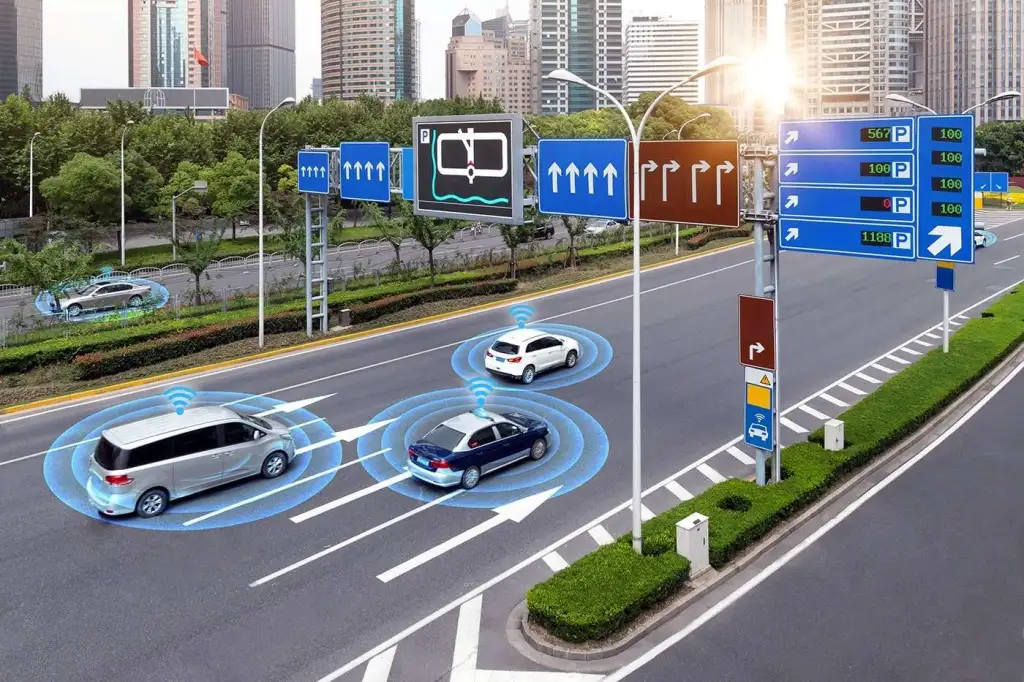
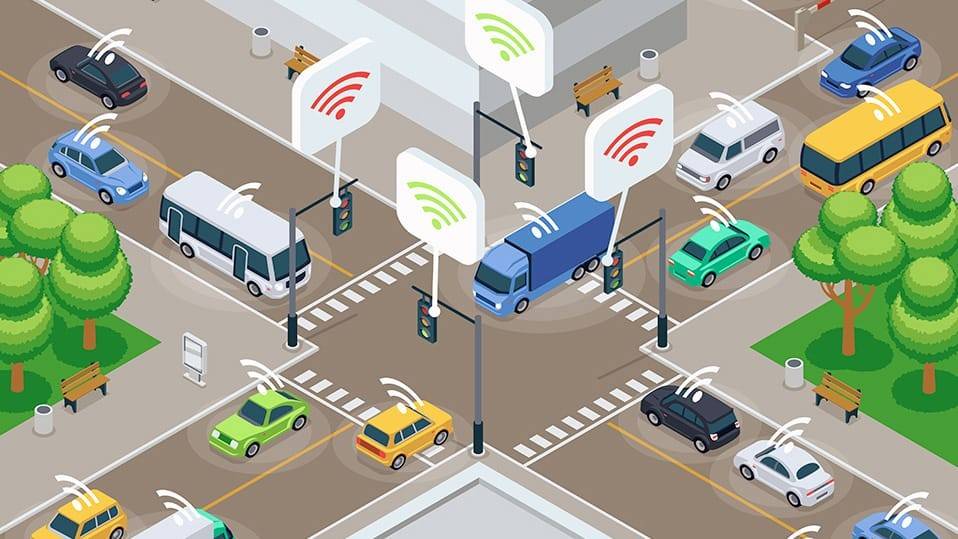
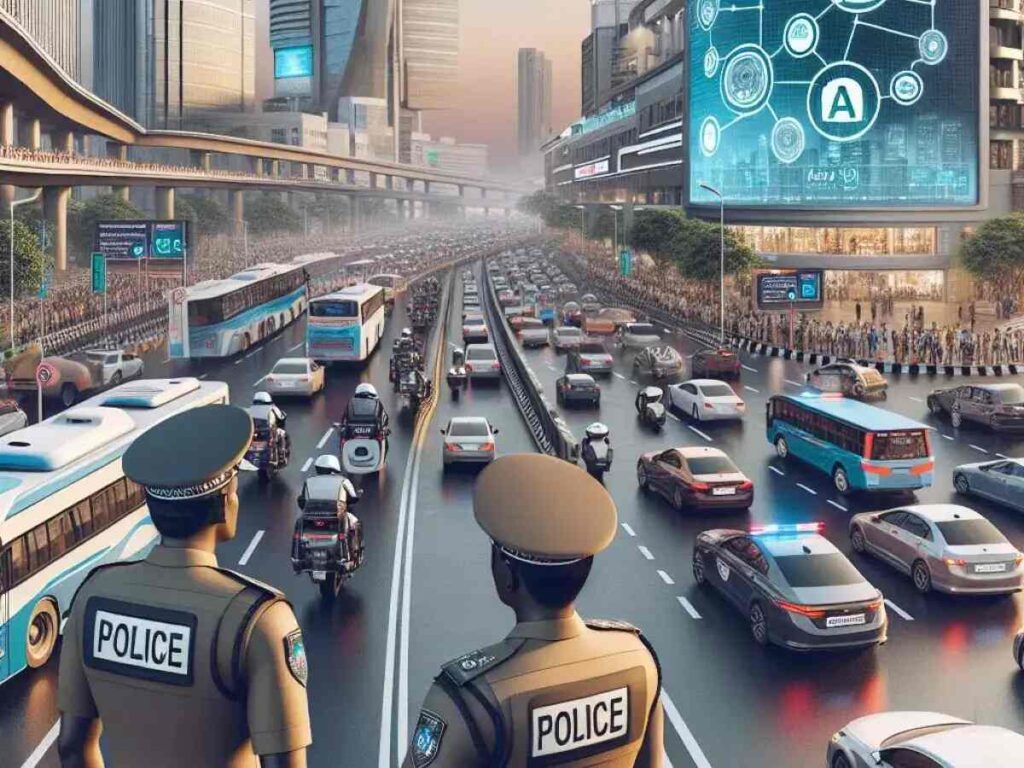
AI keeps getting better. By 2025 and beyond, new ideas will change roads. Autonomous vehicles talk to AI systems. They share data for seamless flows. Police monitor them easily. Smart cities use AI everywhere. Sensors in roads detect issues like potholes. Fixes happen fast.
Integration with Drones and 5G
Drones with AI patrol hard-to-reach areas. They spot illegal parking or crowds.5G speeds up data transfer. Real-time updates become instant. Officers get info without delays.This combo makes policing proactive. Problems get fixed before they grow.
AI with Connected Infrastructure
Roads will have built-in tech. Lights, signs, and barriers adjust automatically.
Police apps predict crimes like street racing. Preventive stops keep peace.
Sustainability focus grows. AI optimizes for low emissions, like favoring electric cars.
Predictions for the Next Decade
By 2030, AI might handle most routine enforcement. Humans oversee complex stuff.Challenges like ethics will need ongoing work. Laws will catch up to tech.
Overall, roads will be safer and greener. Travel becomes easier for all.
| Feature | Traditional Traffic Management | AI-Enhanced Management |
|---|---|---|
| Monitoring | Manual patrols | Real-time camera analysis |
| Response Time | Minutes to hours | Seconds to minutes |
| Congestion Reduction | Limited adjustments | Up to 30% less delays |
| Safety Improvements | Reactive measures | Predictive alerts |
| Cost | High labor | Lower long-term |
This table shows clear differences. AI wins in speed and savings.
FAQ
How does AI help traffic police with daily tasks?
AI automates monitoring and alerts. It lets officers focus on urgent matters while handling routine checks.
What are the main benefits of AI in road management?
It reduces congestion and accidents. Safer roads and smoother flows save time and lives.
Are there privacy risks with AI traffic systems?
Yes, data collection raises concerns. Strong rules and encryption help protect user info.
Can AI replace human traffic police?
No, it supports them. Human judgment is needed for complex situations.
What future tools will AI bring for police?
Drones and connected vehicles. They’ll make responses faster and more accurate.
How do cities start using AI for traffic?
Begin with pilots in small areas. Measure results and expand with training.
Is AI affordable for small towns?
Costs vary, but grants and shared systems make it possible. Long-term savings help.
Conclusion
AI helps traffic police manage roads efficiently in many ways. From real-time detection to predictive tools, it makes streets safer and less crowded. Benefits like fewer accidents and better flow touch everyone.Challenges exist, but solutions like rules and training overcome them. Real examples from cities show success is real.Looking ahead, AI will integrate more with new tech. Safer, smarter roads are coming. Embrace these changes for better travel.