Traffic jams in Pakistan’s big cities like Karachi, Lahore, and Islamabad waste time and money. They also harm the air we breathe. With more people moving to cities, the roads get busier each year. This puts pressure on old ways of handling traffic. Artificial intelligence, or AI, offers new tools to fix these issues. AI can look at data in real time and make quick changes to traffic lights or routes. This blog post looks at how AI can shape traffic management in Pakistan. We will cover current problems, what AI can do, real examples, and steps forward.
Current Traffic Problems in Pakistan
Pakistan faces big hurdles with road traffic. The country has over 240 million people. About 40% live in urban areas, and this number grows fast. In 2024, urban growth hit 2.5% per year, according to World Bank data. This leads to more cars, bikes, and trucks on the roads.
Take Karachi. It has over 20 million residents. Peak hours mean two to three hours of delays. Drivers lose up to 100 hours a year in jams. Lahore sees similar issues. Its ring road and main streets clog during rush times. Islamabad, once known for open roads, now deals with long waits due to new housing and offices.
These jams cost a lot. A 2023 Asian Development Bank report says congestion takes Rs. 1 trillion from the economy yearly. This comes from lost work time, extra fuel use, and vehicle wear. Fuel waste alone adds up to billions of liters burned while idling.
Safety is another worry. Pakistan has one of the highest road death rates. The World Health Organization notes over 30,000 deaths from crashes each year. Bad roads, mixed traffic with cars, rickshaws, and pedestrians, and weak enforcement play roles. In 2024, IQAir ranked Pakistan among the top 10 polluted countries. Idle engines pump out smoke that worsens air quality.
Old traffic signals add to the mess. Most run on fixed timers. They do not adjust for real flow. During low traffic, lights stay red too long. In busy times, green phases end too soon. Manual wardens help but cannot cover all spots. Rain or fog makes it worse, as signals fail without backups.
Data backs this up. A 2023 study in the Pakistan Journal of Scientific Research found 70% of urban delays stem from poor signal timing. Another report from the National Transport Policy 2023 points to uneven road networks. Cities expanded without matching transport plans.
These issues hurt daily life. Workers arrive late. Businesses lose sales. Students miss classes. Health costs rise from stress and pollution. Without changes, problems will grow as vehicle numbers rise 7% yearly.
Why AI Fits Pakistan’s Needs
AI uses computers to learn from data and make smart choices. In traffic, it processes info from cameras, sensors, and apps. This beats human limits. AI works 24/7 and spots patterns fast.
Pakistan needs this because growth outpaces fixes. Building more roads takes years and cash. AI uses what exists better. It cuts delays by 20-30%, per global studies. In a country with tight budgets, this saves money.
AI also boosts safety. It detects risks like wrong turns or speeders. Quick alerts prevent crashes. For pollution, AI shortens idle times, lowering emissions by 15-20%. This aligns with Pakistan’s green goals in the 2023 Urban Policy.
Local factors make AI key. Mixed traffic with bikes and carts confuses fixed systems. AI handles this by classifying vehicles and adjusting. It also aids emergency paths for ambulances, cutting response times.
Experts agree. A 2025 Nation article says AI can leapfrog Pakistan to modern roads. With young tech talent and rising startups, the base exists. AI turns data into action, fitting a nation short on staff but rich in info from phones and CCTV.
Current AI Efforts in Pakistan
Pakistan has started AI use in traffic. These steps show promise but need scale.
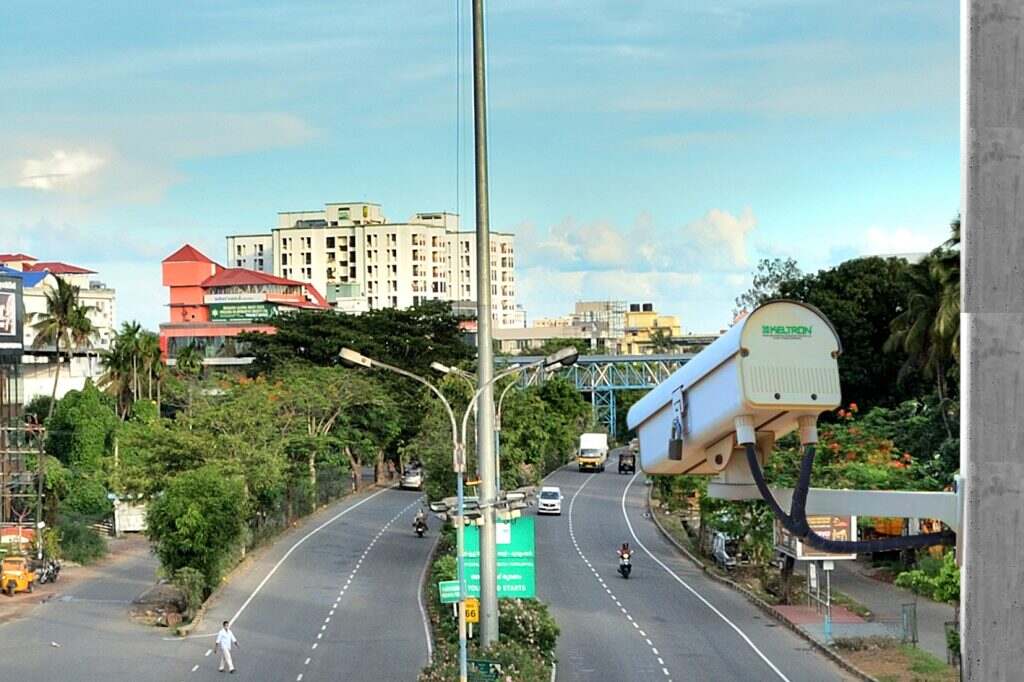
In Lahore, the Punjab Safe Cities Authority runs an Intelligent Traffic Management System (ITMS). Launched in 2020, it uses AI on 1,000+ cameras. The system spots violations like speeding or red-light runs. It issued 130,000 e-tickets in one year. AI analyzes flow to tweak signals. This cut jams by 15% at key spots, per PSCA reports.
Islamabad tests InLights Pakistan. This startup from NUST uses AI for adaptive lights. Sensors count vehicles and change greens based on wait times. A 2023 pilot at F-10 junction reduced delays by 25%. It prioritizes buses and ambulances. The system links to apps for driver alerts.
Karachi’s DeepSeek AI project, from 2025, focuses on signals. Machine learning adjusts timings for flow. In tests, it cut waits by 20% on Shahrah-e-Faisal. It uses data from 500 cameras to predict peaks.
The National Transport Policy 2023 pushes AI nationwide. It calls for CCTV in 10 cities and data hubs. Punjab leads with Rs. 5 billion for ITMS upgrades. Sindh plans AI for port routes.
Startups help. NooriaTech builds AI apps for route plans. It partners with Careem for real-time maps. These efforts generated 60 million violation records in Lahore alone.
Challenges remain. Coverage is spotty. Only 20% of signals have AI. Data sharing between cities lags. Still, these pilots prove AI works in local settings.
How AI Works in Traffic Systems
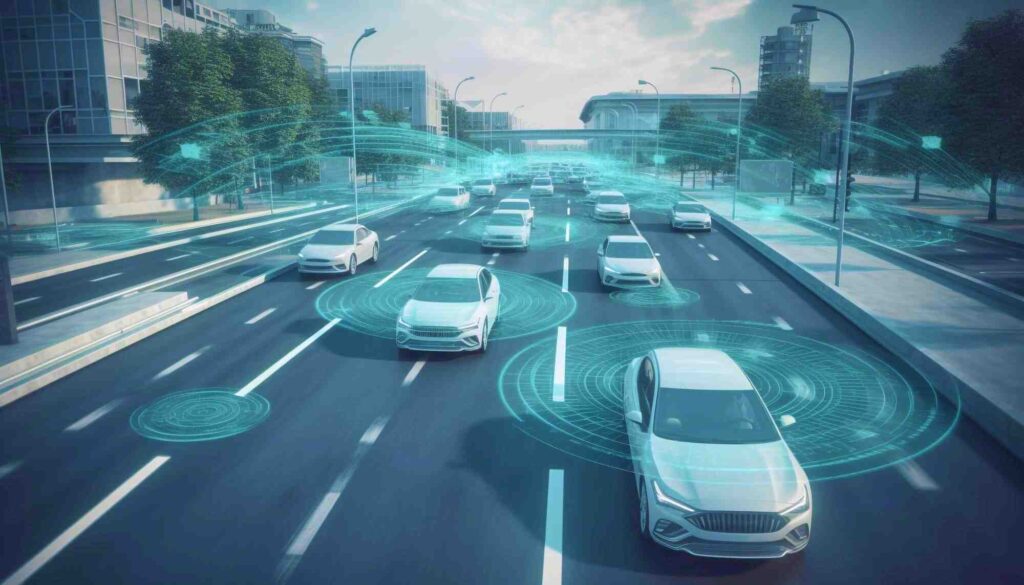
AI in traffic starts with data collection. Cameras and sensors track vehicles. GPS from apps adds flow info. Weather data helps predict slips.
Machine learning, a AI part, learns from this. It spots patterns, like rush at 8 AM. Neural networks, like brain cells, process images to count cars or read plates.
For signals, AI uses adaptive control. Fixed lights cycle every 60 seconds. AI changes to 90 if north road is busy. This balances flow.
Prediction comes next. AI forecasts jams using past data. If a crash blocks a lane, it reroutes via apps. In Lahore’s ITMS, this cuts response by 10 minutes.
Safety tools include detection. AI scans for drowsy drivers or jaywalkers. It alerts wardens or slows nearby cars.
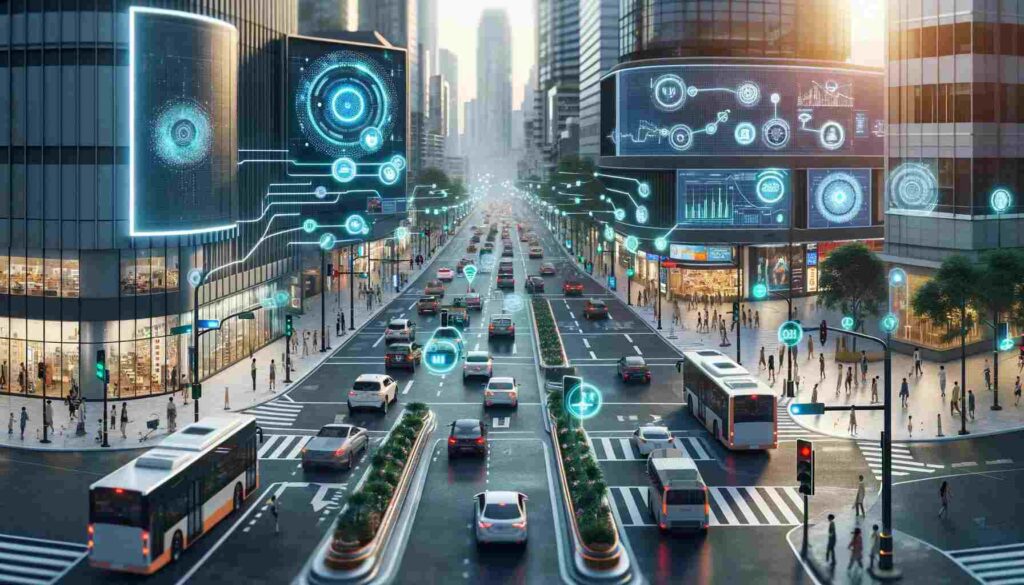
Integration matters. AI links lights, signs, and vehicles. In future, connected cars share speed data for smooth merges.
Simple setup: Sensors feed cloud servers. AI runs models there. Results go back to lights in seconds. Low-cost versions use phone cams for crowdsourced data.
This setup scales. Start small at one junction, then grow. In Pakistan, solar sensors cut power needs.
Benefits of AI for Pakistan’s Roads
AI brings clear gains. First, less time wasted. Global tests show 20% faster trips. In Karachi, that means 40 minutes saved daily.
Fuel savings follow. Less idling burns 10-15% less gas. At Rs. 250 per liter, this saves billions yearly.
Safety improves. AI spots hazards early. A 2024 IEEE study says it cuts crashes by 25%. Fewer deaths mean lower health bills.
Air gets cleaner. Reduced emissions drop PM2.5 levels. This fights Pakistan’s pollution rank.
Economy wins. Shorter commutes boost work output. Businesses run smoother with on-time deliveries.
Equity grows. AI aids public buses, helping low-income riders. Apps give all drivers equal info.
Environmentally, it supports green shifts. AI optimizes electric bus routes, cutting charge needs.
Long-term, AI frees wardens for better tasks. It builds data for road plans.
These benefits stack. A 2025 DeepSeek report says full rollout could add 2% to GDP via efficiency.
Global Examples for Pakistan
Other nations offer lessons. Singapore uses AI for all signals. Its system cuts delays by 15%. Data from 6,000 cams feeds a central hub. Pakistan can copy this for Lahore.
Dubai’s UX Fusion, from 2025, links lights to car screens. Drivers see countdowns and speeds. It boosts flow by 37%. With Pakistan’s rising EVs, this fits.
India’s Intelligent Transport in Surat adjusts lights via AI. It handles mixed traffic like rickshaws. A 2024 IndiaAI report notes 20% less jams. Similar to Karachi’s needs.
China’s Hangzhou City Brain uses Alibaba AI. It manages 1,000 lights, saving 3% fuel citywide. Drones spot issues fast. Pakistan startups could partner like this.
Barcelona’s green waves sync lights for bikes. Emissions fell 15%. This suits Islamabad’s cycles.
Pittsburgh’s Surtrac, from Carnegie Mellon, uses radar. Travel sped 25%. Low-cost, it works for Rawalpindi.
In Africa, Nairobi tests AI apps for matatus. Crowdsourced data cuts routes by 10%. Fits Pakistan’s informal transport.
These show AI adapts to budgets. Start with pilots, scale with data.
Challenges and Solutions
AI faces roadblocks in Pakistan. Infrastructure lacks. Only 30% roads have CCTV. Fix: Phase installs, use solar gear.
Data privacy worries users. Who sees plate numbers? Solution: Strict laws like GDPR, anonymize info.
Costs scare budgets. Setup runs Rs. 10-20 million per junction. Offset: Public-private ties, like Punjab’s model. Grants from World Bank help.
Skills gap hurts. Few train AI techs. Build: Courses at NUST, COMSATS. Partner with Google for workshops.
Power cuts disrupt. Backup batteries or edge computing run local.
Bureaucracy slows. Approvals take months. Streamline via one-window policies.
Culture resists. Drivers ignore apps. Educate via campaigns, tie to fines.
With plans, these solve. A 2023 ResearchGate paper lists phased rollout as key.
The Road Ahead: Predictions and Steps
By 2030, AI could cover 50% of urban signals. Peak delays may drop 30%. Full systems in five cities.
Steps: Update policy for AI funds. Train 10,000 workers. Link cities’ data.
Startups lead. InLights eyes 100 junctions. Government buys in.
International aid: ADB funds pilots. Ties with China for tech.
Public role: Use apps, report issues. This builds trust.
AI paves smoother roads. It turns chaos to order.
For more informatin visit Traffic signs test.
Conclusion
Pakistan’s traffic woes demand bold fixes. AI steps up with smart tools for flow, safety, and green air. From Lahore’s ITMS to global wins in Singapore, proof abounds. Challenges exist, but solutions match. Act now: Invest, train, partner. The future of AI in Pakistan’s traffic management is bright. It promises less wait, more life. Let’s drive there together.