Traffic violations happen every day, leading to accidents and unsafe roads. But technology is stepping in to help. AI cameras are becoming a key tool in spotting these issues quickly and accurately. In this post, we’ll look at the role of AI cameras in detecting traffic violations. You’ll learn what they are, how they work, the types of violations they catch, their benefits, challenges, and some real examples from around the world, including Pakistan. By the end, you’ll see why this tech matters for road safety.
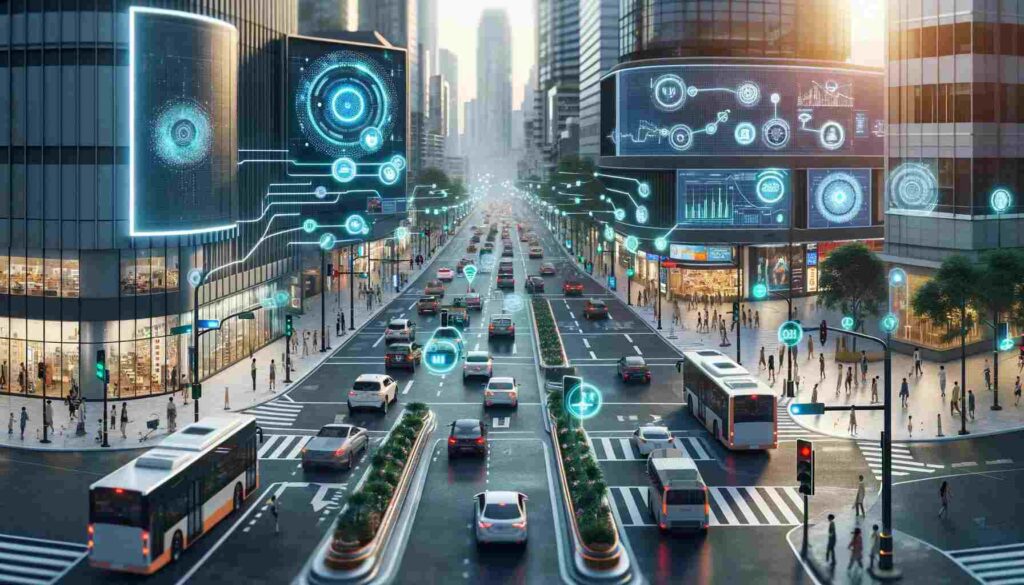
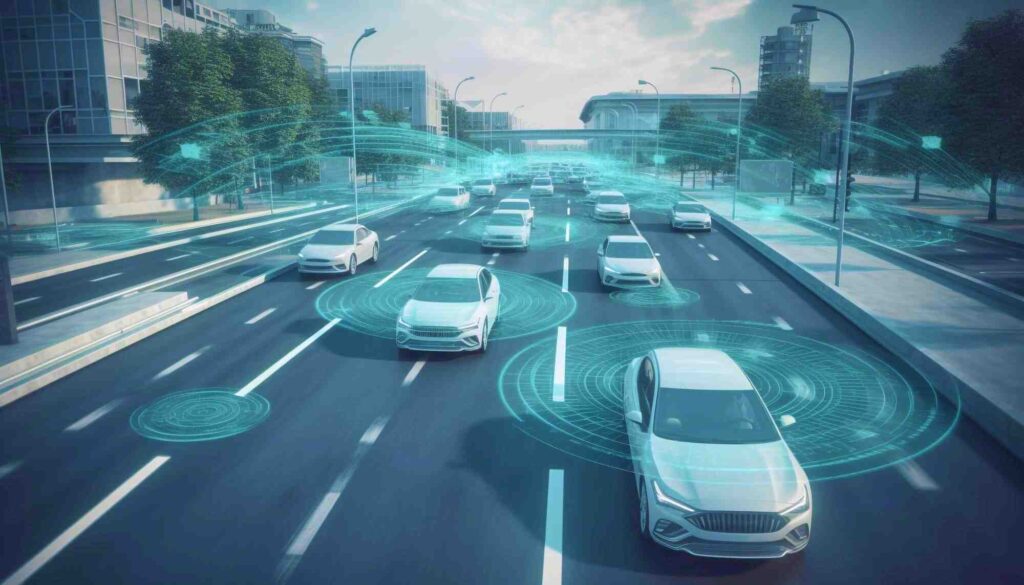
AI-powered traffic monitoring systems use smart software to watch roads in real time. They go beyond old cameras by using artificial intelligence to understand what’s happening on the road. This means better detection of things like speeding or not wearing a seatbelt. As cities grow busier, these tools can make a big difference in keeping everyone safe.
We’ll cover the basics first, then move into details on what violations they detect. After that, we’ll talk about the good sides, like fewer accidents, and the tough parts, like privacy worries. We’ll also share case studies to show how this works in practice. If you’re interested in smart traffic solutions, this will give you a clear picture.
What Are AI Cameras and How Do They Work?
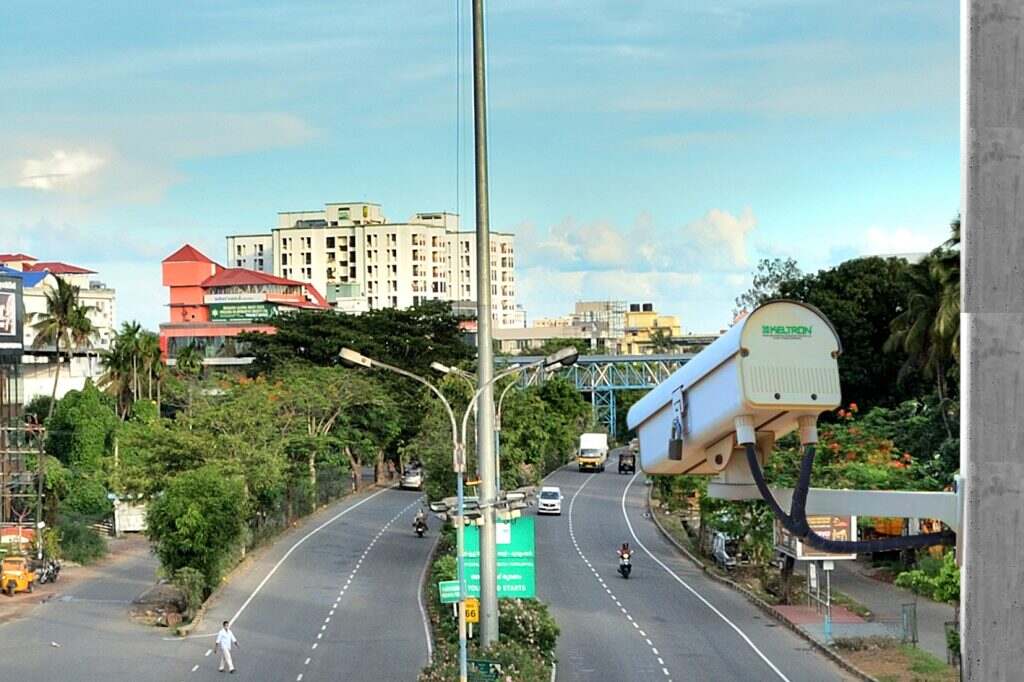
AI cameras are special devices that combine regular cameras with artificial intelligence software. They are often called AI traffic enforcement cameras or smart traffic cameras. These systems capture video or images of the road and use AI to analyze them right away.
The main part is computer vision, which lets the camera “see” like a person but faster and without getting tired. For example, the camera spots a car, reads its license plate, and checks if the driver is following rules. This happens with algorithms trained on lots of data to recognize patterns.
Here’s how it typically works:
- Capture Data: The camera records video from roads, intersections, or highways.
- Process Images: AI software looks at each frame. It uses things like object detection to find cars, people, or bikes.
- Detect Violations: If something wrong happens, like a car going too fast, the system flags it. It might measure speed using radar or by tracking how far the car moves between frames.
- Issue Alerts: In many cases, it sends info to authorities or even generates a ticket automatically.
These cameras often connect to networks, like 4G or IoT, for real-time updates. Some use solar power for remote areas. They can work at night with infrared or low-light tech.
Compared to old cameras, AI ones are smarter. Traditional ones might just snap photos at red lights, but AI can handle more complex tasks, like spotting if someone is using a phone while driving. This makes them useful for busy cities where police can’t watch everything.
You can also read about license plate recognition systems, which are often part of these setups.
Types of Violations Detected by AI Cameras
AI cameras can spot many kinds of traffic rule breaks. This helps cover more ground than human officers alone. Here are some common ones:
Speeding Detection
One big use is catching speeders. The camera calculates speed by timing how long a car takes to pass points. If it’s over the limit, it records the plate and sends a fine. This is key because speeding causes many crashes.
At intersections, AI watches for cars that don’t stop at red lights. It uses timing and position data to confirm the violation. This reduces T-bone accidents, which are often deadly.
Seatbelt and Helmet Violations
For safety, cameras check if drivers or passengers have seatbelts on. In places with bikes, like Pakistan, they detect helmetless riders. This is done by looking inside the vehicle or at the rider’s head.
Mobile Phone Use While Driving
Distracted driving is a huge problem. AI spots if a driver holds a phone to their ear or looks down at it. Advanced models even tell the difference between holding a phone and something else.
Other Violations
- Illegal Lane Changes: Watches for unsafe switching without signals.
- Wrong-Way Driving: Alerts if a car goes the wrong direction.
- Tailgating: Measures distance between cars.
- Smoke Emissions: In some areas, like Punjab, it checks vehicle pollution.
These features make AI cameras versatile for different road needs.
Benefits of AI Cameras in Traffic Enforcement
Using AI for traffic monitoring brings clear gains. Roads become safer, and enforcement is fairer.
Improved Road Safety
Studies show AI cameras cut accidents. For instance, they detect more violations, leading to fewer crashes at monitored spots. Drivers know they’re watched, so they follow rules more. This deterrence effect spreads even to unmonitored areas.
In one report, AI enforcement minimized crashes without just moving the problem elsewhere. It’s like having eyes everywhere, preventing issues before they turn bad.
Better Efficiency for Authorities
Police can focus on serious crimes instead of minor traffic stops. AI handles routine checks, saving time and resources. It also provides data for planning, like where to add signs or lights.
Fairness and Reduced Bias
Cameras don’t see race or other traits, so enforcement is based on actions alone. This helps address inequities in traditional policing.
Handling Congestion
By spotting illegal parking or blocked lanes, AI reduces jams. It can even adjust signals based on flow.
Overall, these benefits make AI a strong ally for safer roads.
Challenges and Concerns with AI Cameras
No tech is perfect. AI cameras have downsides that need addressing.
Privacy Issues
Constant watching raises questions about data use. Who sees the footage? How long is it stored? Some worry it leads to too much surveillance.
Accuracy and Bias
If trained on bad data, AI might make mistakes, like misidentifying violations. Bias could affect certain groups more. Regular updates help, but it’s a ongoing task.
High Costs
Setting up requires money for cameras, software, and maintenance. Smaller places might struggle.
Over-Enforcement
Too many fines could upset people. Programs need balance, like warnings first.
Addressing these through rules and transparency is key.
Case Studies: AI Cameras in Action
Real examples show how AI works on the ground.
Global Examples
In the UK, AI cameras detect phone use and seatbelts, changing driver habits. A study found better behavior in tested areas.
In the US, places like New York use AI to monitor parking complaints, improving response times.
Pune, India, saw a 20% boost in detection with IR cameras in a 30-day trial.
AI Traffic Cameras in Pakistan
Pakistan is adopting this tech fast. In Punjab, AI cameras curb violations and pollution. Lahore’s ITMS uses over 1,000 cameras for helmet checks and more.
Islamabad plans 3,200 new AI cameras, building on 700 existing ones. This ties into Safe City projects for better security and traffic.
In Mohali, 351 cameras at 17 points issue home challans automatically. (Note: Mohali is near Pakistan border, but similar systems.)
These cases prove AI’s impact in diverse settings.AI cameras detecting violations in Punjab, Pakistan.
The Future of AI in Traffic Management
Looking ahead, AI will get better. Integration with self-driving cars and smart cities will grow. For example, cameras could predict jams or spot dangers early.
In Pakistan, plans for Japanese-style systems include more AI for traffic management.
Tech like large-scale AI from companies such as Hikvision will handle complex scenes.
But success depends on solving challenges like privacy.
You can also read about IoT in traffic systems for more on this.
For more info, check these sites:
- Governors Highway Safety Association (ghsa.org) on automated enforcement.
- LSE on AI making roads safer (lse.ac.uk).
- INFORMS on traffic studies (informs.org).
Conclusion
AI cameras play a vital part in detecting traffic violations, from speeding to phone use. They boost safety, efficiency, and fairness but come with challenges like privacy. With case studies from Pakistan and elsewhere, we see real results. As tech advances, these systems will help create safer roads for all.